Our three national awards spotlight individuals and ideas that are creating a more vibrant, equitable, and effective charitable sector. These awards are given annually at Independent Sector’s National Summit.
John W. Gardner Leadership Award
The John W. Gardner Leadership Award honors a visionary, transformative leader whose work has made a lasting impact on the charitable sector.
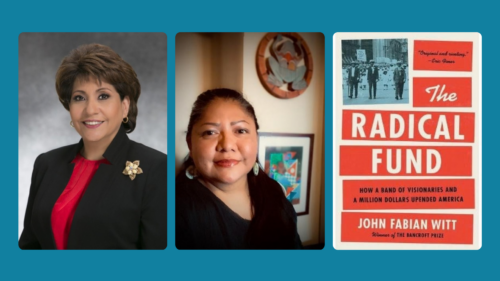
The recipient of the 2026 John W. Gardner Leadership Award is Janet Murguía, President and CEO of UnidosUS, in recognition of her decades of leadership expanding opportunities and advancing civil rights for Latinos across the nation. Under her leadership, UnidosUS has continued to elevate Latino voices, strengthen community organizations, and advocate for policies that help families thrive.
Janine Lee Mentorship Award
The Janine Lee Mentorship Award honors a remarkable mentor in the charitable sector and celebrates the legacy of Janine Lee, a beloved leader and advisor who inspired countless individuals throughout her 30-year career.
The recipient of the 2026 award is Monica Nuvamsa, Executive Director of the Hopi Foundation, in recognition of a career strengthening Indigenous leadership, advancing community-driven initiatives, and creating opportunities for future generations.
Terry McAdam Book Award
The Terry McAdam Book Award recognizes an outstanding book and author whose work offers fresh insights and meaningful contributions to the charitable sector.
John Fabian Witt, professor of law and history at Yale University, receives the Terry McAdam Book Award for The Radical Fund: How a Band of Visionaries and a Million Dollars Upended America. The book tells the remarkable story of the Garland Fund, an early 20th-century philanthropic experiment that helped advance movements for economic equality, free speech, and civil rights. Witt’s historical account offers timely insights into the power of philanthropy to challenge conventional thinking and support lasting social change.